
Cape Fear River Watch presenting film, discussion about water and GenX
On Thursday, Cape Fear River Watch will show a film about the drinking water crisis in West Virginia and the introduction of GenX in the Cape Fear River.
On Thursday, Cape Fear River Watch will show a film about the drinking water crisis in West Virginia and the introduction of GenX in the Cape Fear River.

A North Carolina science panel says state health officials were right to set a much lower health target for a little-studied industrial chemical found in drinking water than the goal the manufacturer proposed.

One day after the Environmental Protection Agency held a summit to discuss Chemours and the toxicity of GenX and other contaminants in our drinking water, the Cape Fear Public Utility Authority held a meeting of their own.
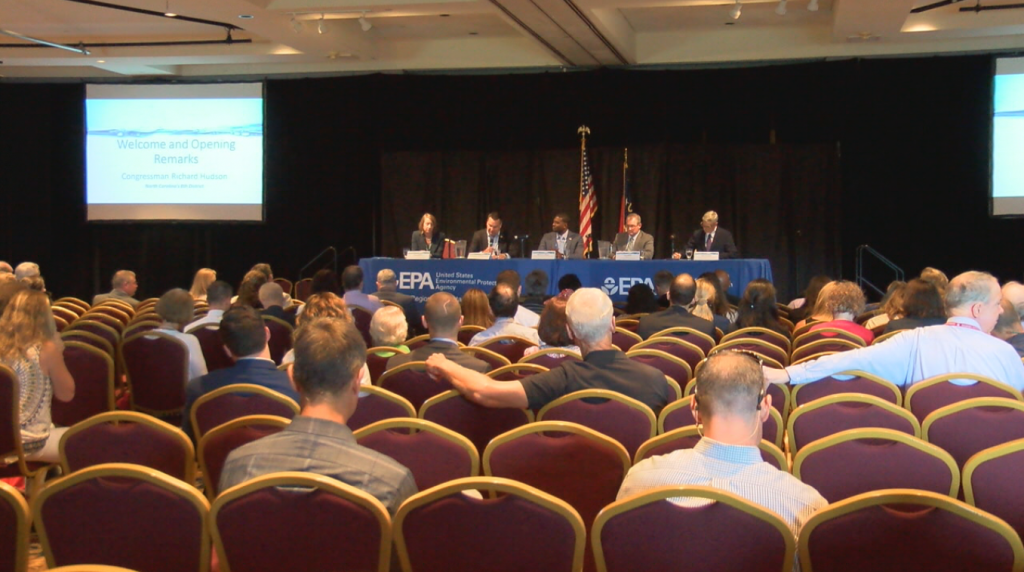
14 months of uncertainty, more than 600 wells tested, most of which were contaminated, a river polluted and thousands of people impacted. The US Environmental Protection Agency researching claims that Chemours is the reason behind it all.

For ten years, CFPUA has used this company to supply them with filters. They say the consistency of the filters and few to no rival products led them to return to the corporation as a supplier.
The report was released as a draft for public comment from the Agency of Toxic Substances and Disease Registry.

A little-studied industrial compound is in a lake near the North Carolina chemical plant where it's manufactured, but a state environmental study isn't finding much in the young fish living there.

A year ago the people of the Cape Fear were exposed to the truth many had feared in a long time. The water out of the Cape Fear River was, and is, contaminated.
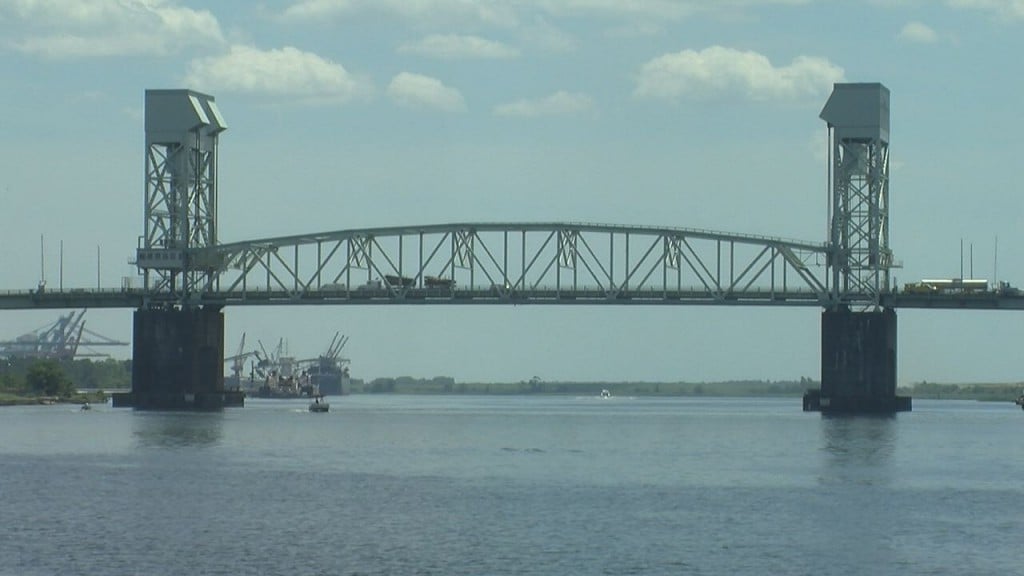
Nearly a year after the story about GenX broke, some fears have been calmed, while others still remain.
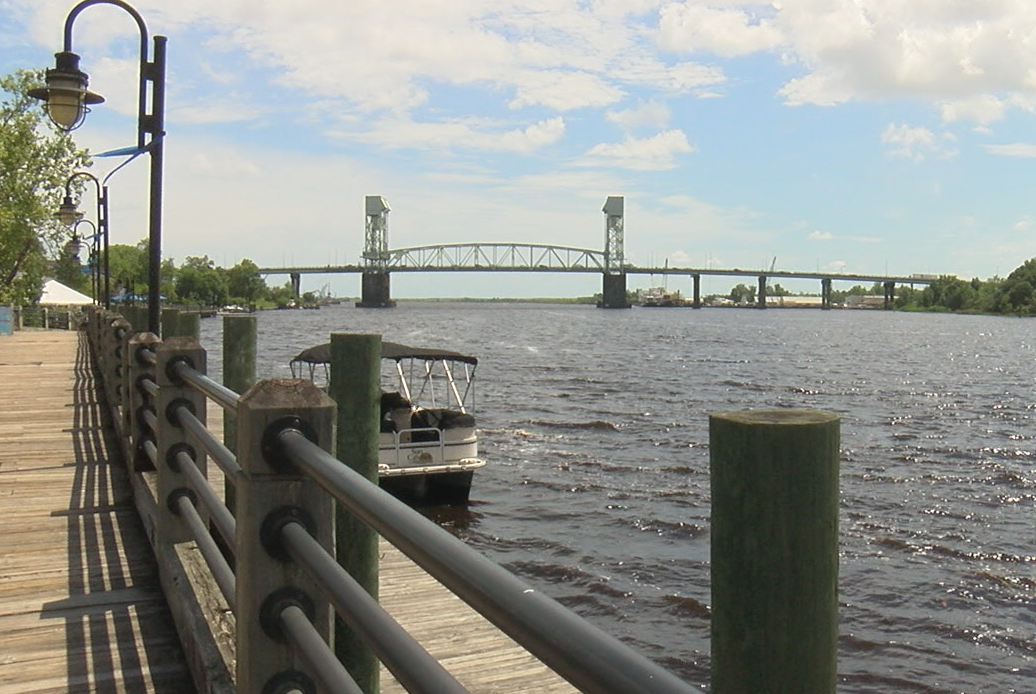
The North Carolina Coastal Federation and its partners introduced a blueprint Tuesday to protect the lower Cape Fear River moving forward.

It's been almost a year since we learned about GenX in the Cape Fear River.

North Carolina legislative Republicans say they've worked out an agreement to expand work and funding to clean up, contain and evaluate unregulated industrial chemicals like the one a plant dumped for decades into the Cape Fear River.

GenX and Fluoride are both major concerns when it comes to water in the area.

A public water utility that studied what it was serving its 200,000 North Carolina customers is finding a soup of unregulated industrial chemicals with uncertain health effects/
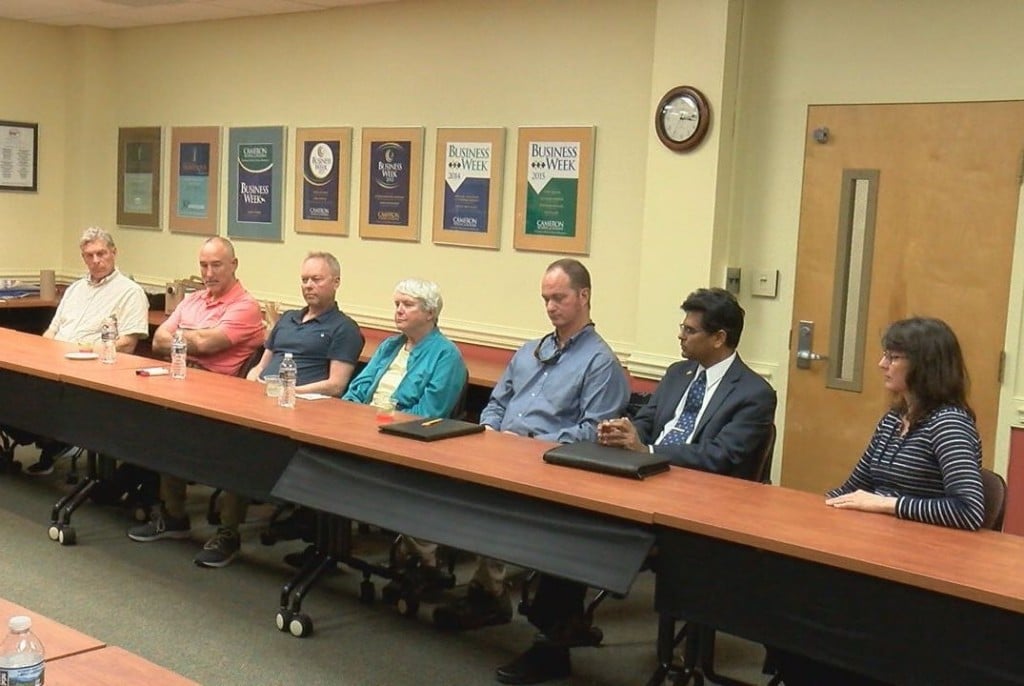
Discussing the latest findings about the many unknowns of GenX, that's what several UNCW researchers did Wednesday afternoon just days after they delivered their final report to state lawmakers.

Researchers at the University of North Carolina at Wilmington have delivered their final report on GenX to the NC House of Representatives, which reveals several new poly-fluoroalkyl chemical compounds were identified at the Sweeney Water Treatment Facility.

Regulators will likely make public within a week the first batch of air monitoring results from Chemours’ Fayetteville Works emissions, a N.C. Department of Environmental Quality (DEQ) official told legislators on Thursday.

A county health director in North Carolina says nearly all the wells tested in his county had a chemical compound that might cause cancer.

North Carolina environmental regulators say they now have proof GenX is carried aloft by winds and falls to earth in rainwater miles from the chemical plant where it's made.

The North Carolina Department of Environmental Quality has issued six violation notifications to Chemours in the past several months.
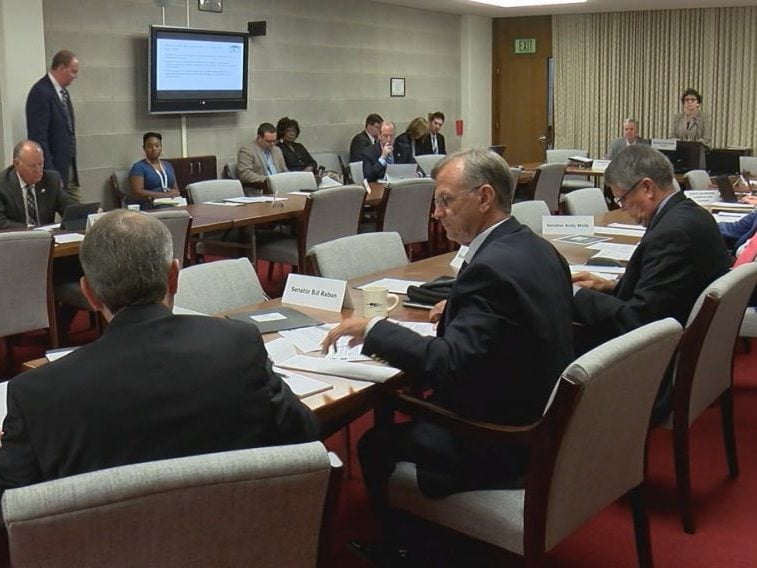
Two bills passed to deal with researching GenX. They both differ on who will do the research. One lawmaker says the Senate has made an effort to negotiate.
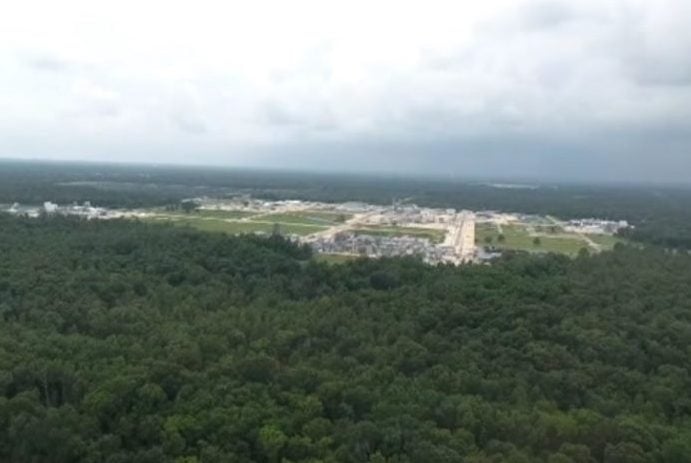
The little-studied compound that was found in a North Carolina river last year has also been found in a well under a West Virginia Chemours facility.
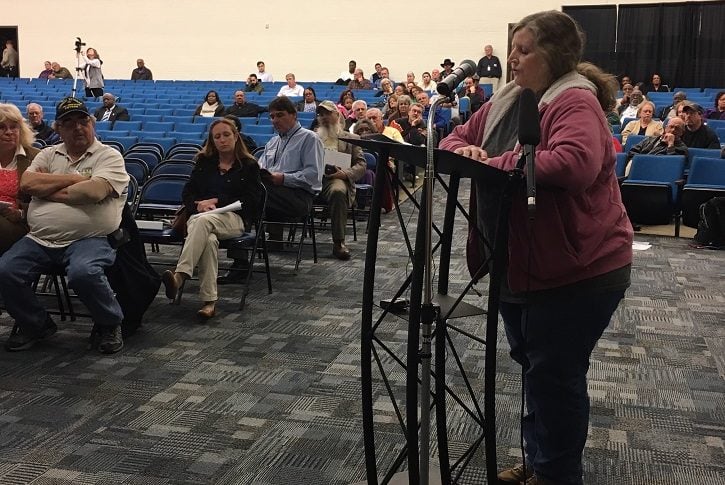
New test results are coming from what experts say. None of them talk about the affects of GenX though. That left many neighbors still concerned as they grow tired of having to live with the faucets turned off.
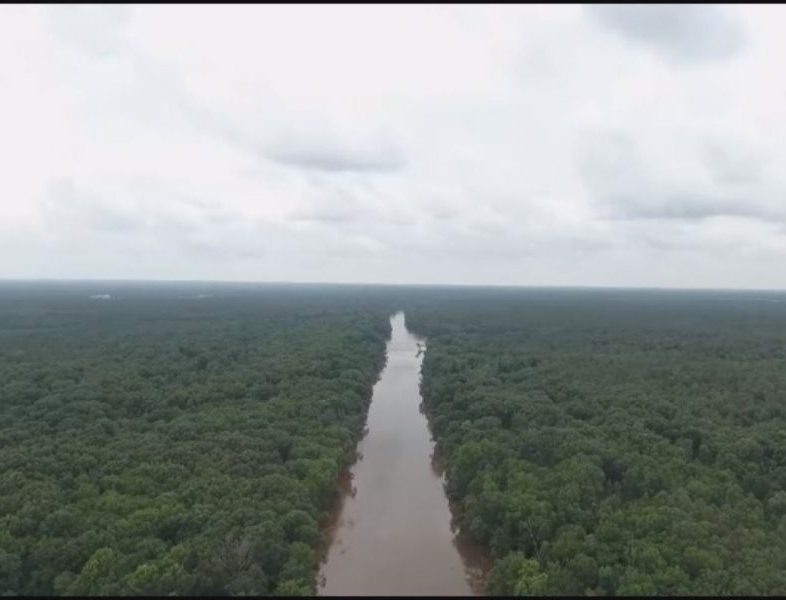
A federal judge wants to streamline lawsuits blaming two companies for releasing a little-understood compound from a North Carolina chemical plant into waters used by hundreds of thousands of people.